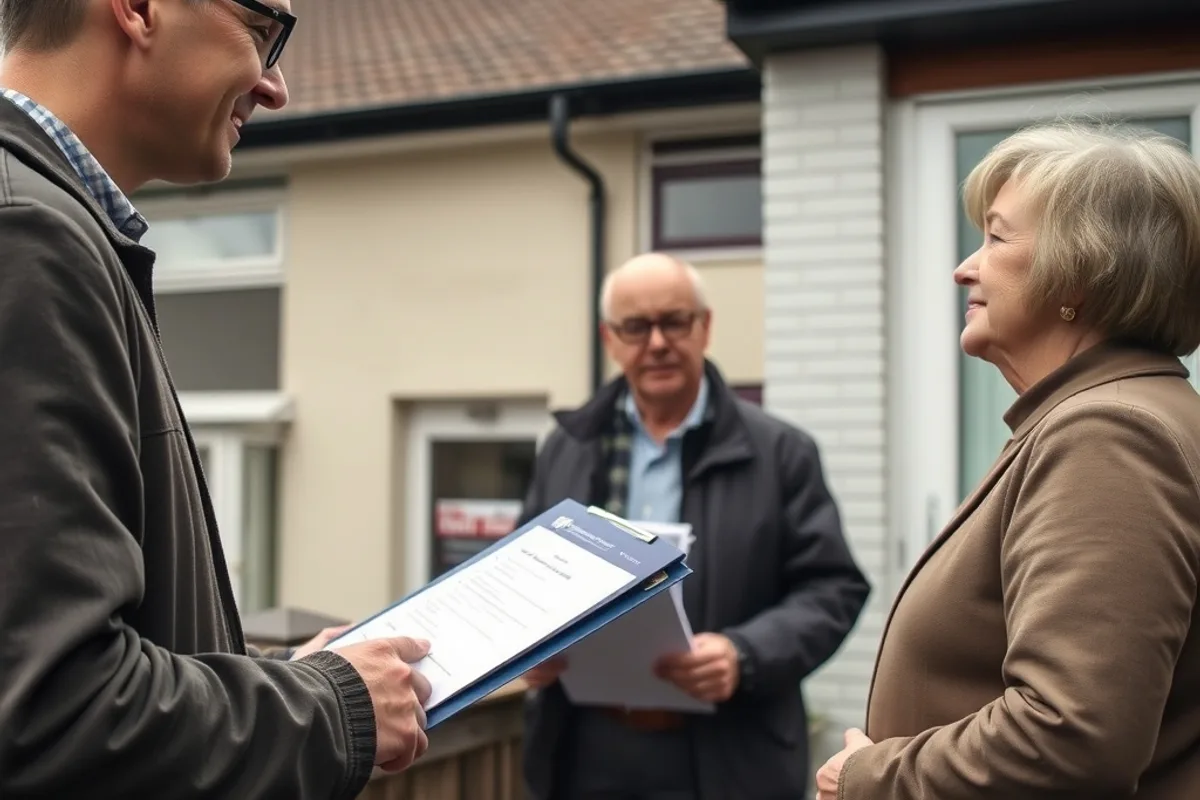
The three parties had agreed on defence spending, on childcare subsidies and on a modest increase in the minimum wage. They had agreed on the shape of a new industrial fund and on how to pay for flood defences. What they could not agree on was a single paragraph governing how much the government may borrow.
Talks collapsed shortly after 11pm on Thursday when the smallest of the three parties refused to sign a budget framework that kept the existing debt brake in place. The rule caps the structural deficit at a fixed share of output and requires a supermajority to change. Without the smallest party, the two larger ones control 46% of seats.
Key facts
- Negotiations lasted 11 weeks and covered 340 policy items.
- All three parties agreed on spending priorities worth roughly 1.4% of output.
- The debt brake caps the structural deficit at 0.35% of output.
- Changing the rule requires a two-thirds majority, which no bloc currently has.
- The outgoing government remains in a caretaker role with limited spending powers.
- A snap election would be the third in four years.
One rule, two stories
The debt brake was introduced after a previous fiscal crisis and has become a symbol far beyond its technical function. For the two larger parties, it is the reason borrowing costs stayed low and the currency stayed credible. For the smallest party, it is the reason schools are repairing roofs with temporary tarpaulins and why municipal budgets have been cut for six straight years.
Both descriptions are partly true. Borrowing costs did fall after the rule was adopted, though most of that decline coincided with a global drop in rates. Municipal investment has also fallen, though ageing populations and health costs explain more of the squeeze than the brake itself.
What actually collapsed
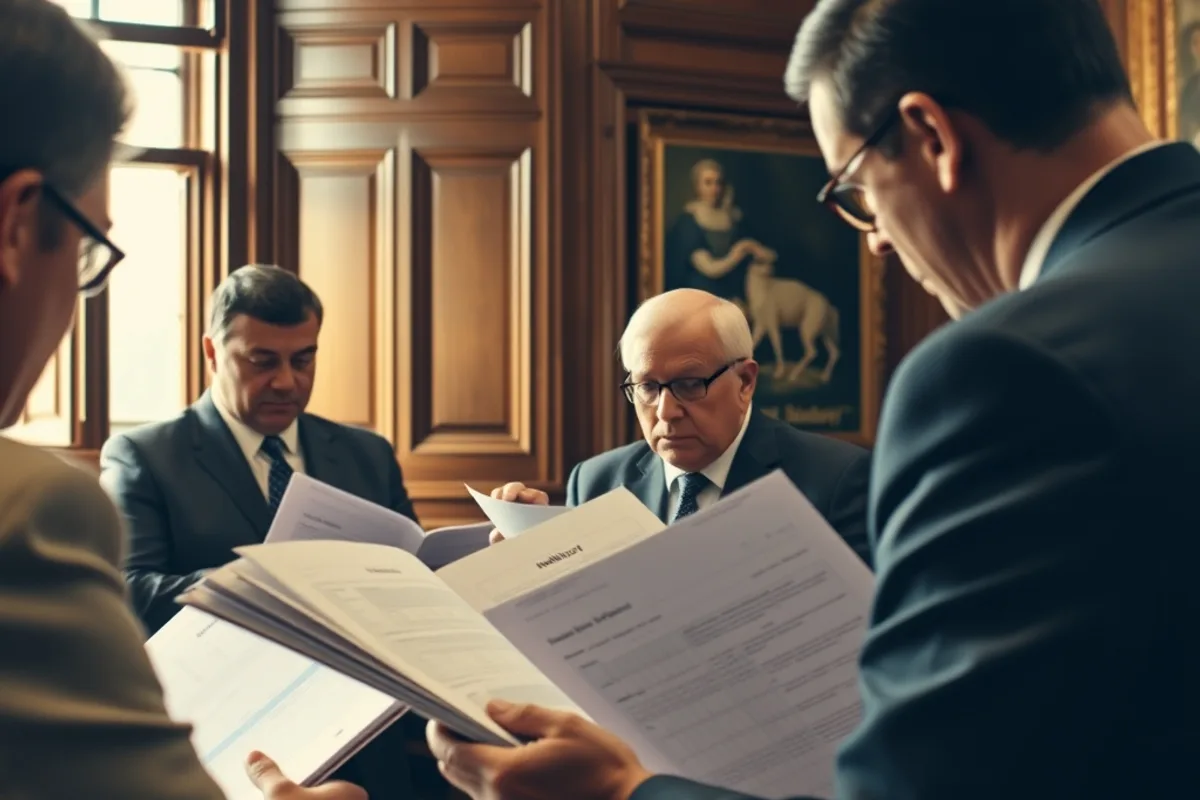
The immediate trigger was a compromise on the transition period. The two larger parties offered a five-year suspension of the brake for investment spending only. The smallest party wanted a permanent exemption for education and transport, arguing that a temporary carve-out would be raided by future governments.
By Thursday evening, the offer had narrowed to a three-year suspension with a spending cap. That was worse than the original proposal in the eyes of the smallest party, which walked out.
"We were asked to choose between a roof that leaks for three years and a promise that it will be fixed after the next election."Negotiator for the smallest party
The cost of delay
Caretaker rules limit new spending to the previous year's level adjusted for inflation. In practice, that means investment projects already approved can continue, but new programmes cannot start. Two transport schemes and a hospital replacement are caught in the gap.
The fiscal watchdog has warned that a prolonged caretaker period would push the consolidation effort into 2028. Its latest economic survey already flags the country's infrastructure gap as a drag on potential growth.
The numbers behind the fight
| Item | Share of output | Status |
|---|---|---|
| Structural deficit cap | 0.35% | Unchanged |
| Agreed new spending | 1.4% | Blocked |
| Investment exemption | 0.0% | Rejected |
| Caretaker spending limit | Inflation-only | In force |
The table explains why the talks were so fragile. The agreed spending package was larger than the room left by the brake, and neither side was willing to move the cap far enough to close the gap.
What happens next
Three paths remain. The two larger parties could attempt a minority government with external support, which would require concessions on every budget vote. The president could appoint a technocratic administration for twelve months. Or the country could return to the polls in the spring.
Party strategists are divided on which outcome suits them. Polling suggests the smallest party would gain seats, while the largest would lose a handful. None of the three wants to be blamed for an election held during a cost-of-living squeeze.

The wider pattern
Fiscal rules have become the fault line in several European coalitions. Rules designed to reassure bond markets often collide with the investment demands of ageing infrastructure. The result is a recurring negotiation in which the technical question is easy and the political one is not.
International IDEA's work on coalition governance notes that multi-party governments survive longest when budget rules are renegotiated before they bind, not after. That lesson is unlikely to comfort the negotiators who left the room on Thursday.
For voters, the practical consequence is simpler. The caretaker government can keep the lights on, but it cannot start anything new. The next ten weeks will decide whether that becomes the defining issue of the spring, as local contests already are in the campaign for city halls.