Meteorological services in Spain, Italy and Greece issued red alerts for a fourth consecutive day on Sunday as an unusually late heat dome settled over the western Mediterranean. Seville recorded 38.6C, Rome 36.1C and Athens 35.4C, all October records for the stations concerned.
The immediate danger is human. The secondary danger is electrical. Demand for cooling has stayed high into the evening, when solar output falls away, and several grid operators have been forced to buy expensive balancing power on short notice.
Key facts
- October temperature records were broken at more than 40 monitoring stations across southern Europe.
- Red heat alerts remain in force in parts of Spain, Italy, Greece and Malta.
- At least six cities opened overnight cooling centres, a measure normally reserved for July and August.
- Peak electricity demand in one regional market rose 9% above the seasonal norm.
- Emergency services report a rise in calls among people aged over 75.
- Forecasters expect the dome to weaken by Thursday, with thunderstorms following.
Why October is the dangerous month
Summer heat is expected, and cities plan for it. October heat is not. Public pools have closed, seasonal staff have left, and many buildings have switched off their cooling systems for the year. That combination makes a 38C afternoon more dangerous than the same temperature in July.
Health authorities in several regions reactivated heat protocols that had been stood down in September. Outreach teams were sent to check on older residents living alone, and pharmacies were asked to extend opening hours.

The grid is the second front
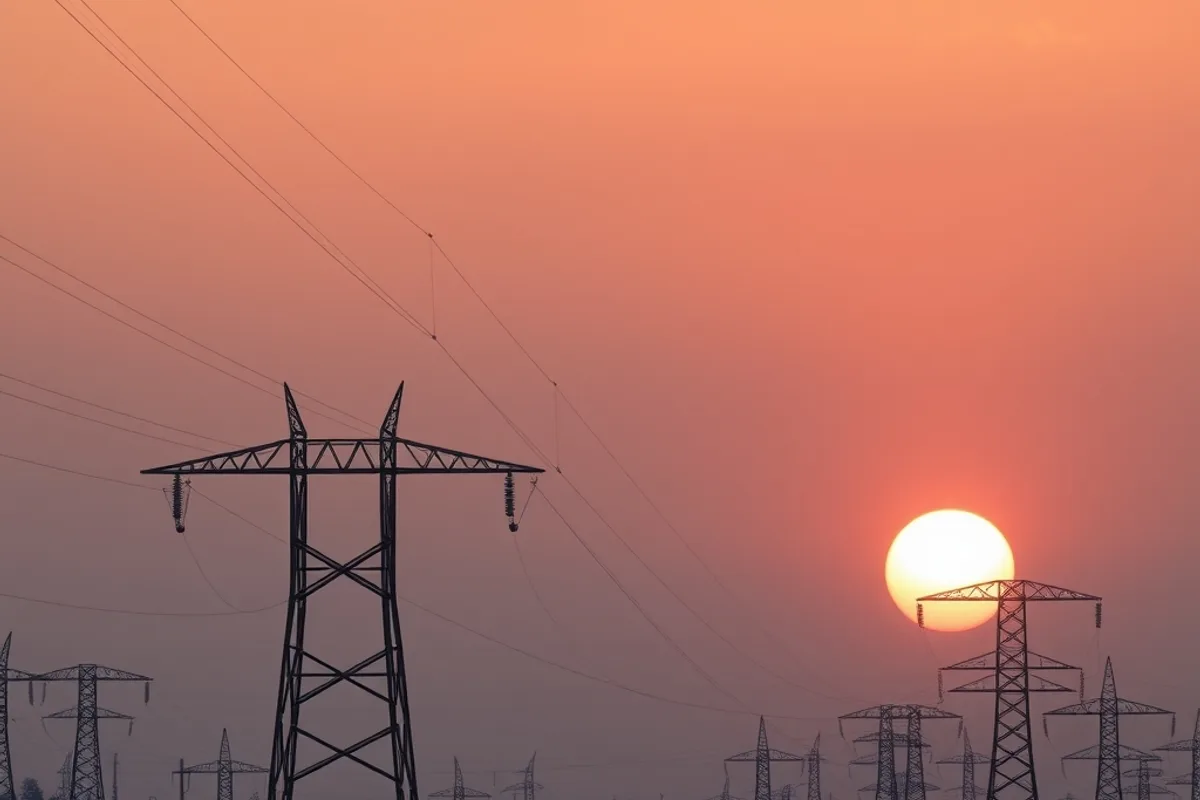
Air conditioning is only part of the load. Data centres, cold storage and water pumping all rise with temperature. In one regional market, peak demand reached 9% above the seasonal average, and the system operator issued a conservation notice asking large consumers to shift load after 6pm.
The notice worked. Demand fell by roughly 400 megawatts within an hour. But the episode exposed a structural issue: the grid's evening peak now depends on technologies that were sized for a cooler climate.
"The grid did not fail. It bent. Bending is expensive, and we are doing it more often each year."Former system operator, speaking to keithcornick
Water and transport under pressure
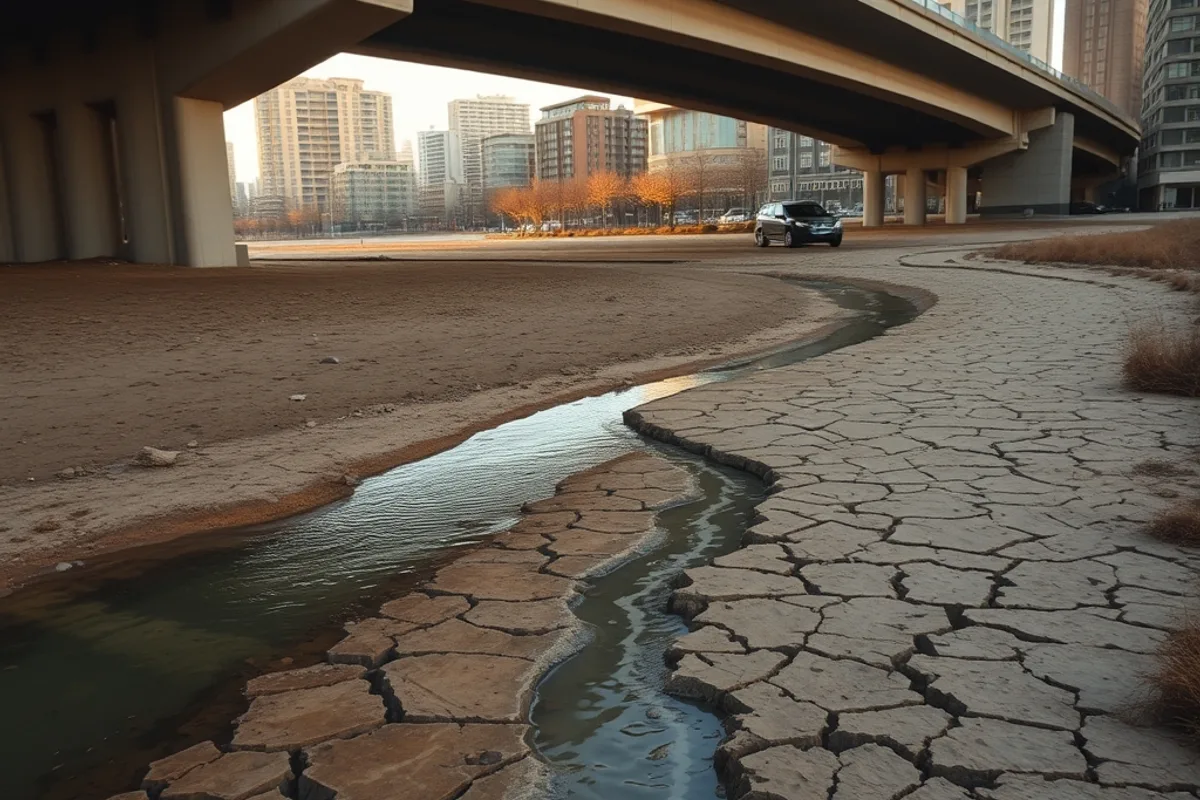
Low river levels are compounding the strain. Barge operators on the Danube and the Po have reduced loads, and two thermal plants have been granted temporary waivers to discharge warmer cooling water. Regulators say the waivers are limited and monitored hourly.
Rail operators have imposed speed restrictions on sections where track temperatures exceed 45C, adding 15 to 30 minutes to some intercity journeys. Road authorities in southern Spain have asked hauliers to avoid asphalt repairs during the afternoon.
Who is most at risk
The people most exposed are not the ones on the beach. They are older residents in top-floor flats, outdoor workers, and people with chronic heart or kidney disease. Emergency services in three cities reported that a majority of heat-related calls came from addresses without working air conditioning.
Municipal responses have been uneven. Some cities activated their full summer plan within hours. Others took until Saturday to open cooling centres, by which time the worst of the first peak had passed.

The forecast, and what comes after
The heat dome is expected to weaken from Wednesday as a Atlantic front pushes east. That transition carries its own risk. Thunderstorms after prolonged heat can produce flash flooding, especially where soils have hardened.
Civil protection agencies have issued warnings for Catalonia, Liguria and parts of Greece. Schools in several regions have cancelled outdoor activities for the start of the week.
The pattern behind the record
Attribution studies have consistently found that late-season heat waves are becoming more likely as global mean temperatures rise. The World Meteorological Organization's annual state of the climate update has documented a steady increase in the frequency of October anomalies since the 1990s.
The mechanism is not mysterious. Warmer oceans hold more energy, and a persistent high-pressure ridge can pull that heat northward long after the summer sun has weakened. What used to be a rare alignment now happens often enough that insurers and grid planners treat it as a scenario rather than a surprise.
For cities, the practical lesson is about calendars. Heat plans built around June to September are increasingly out of date. Several mayors have said they will extend cooling programmes into October next year, and at least one has proposed making overnight centres a permanent seasonal service.