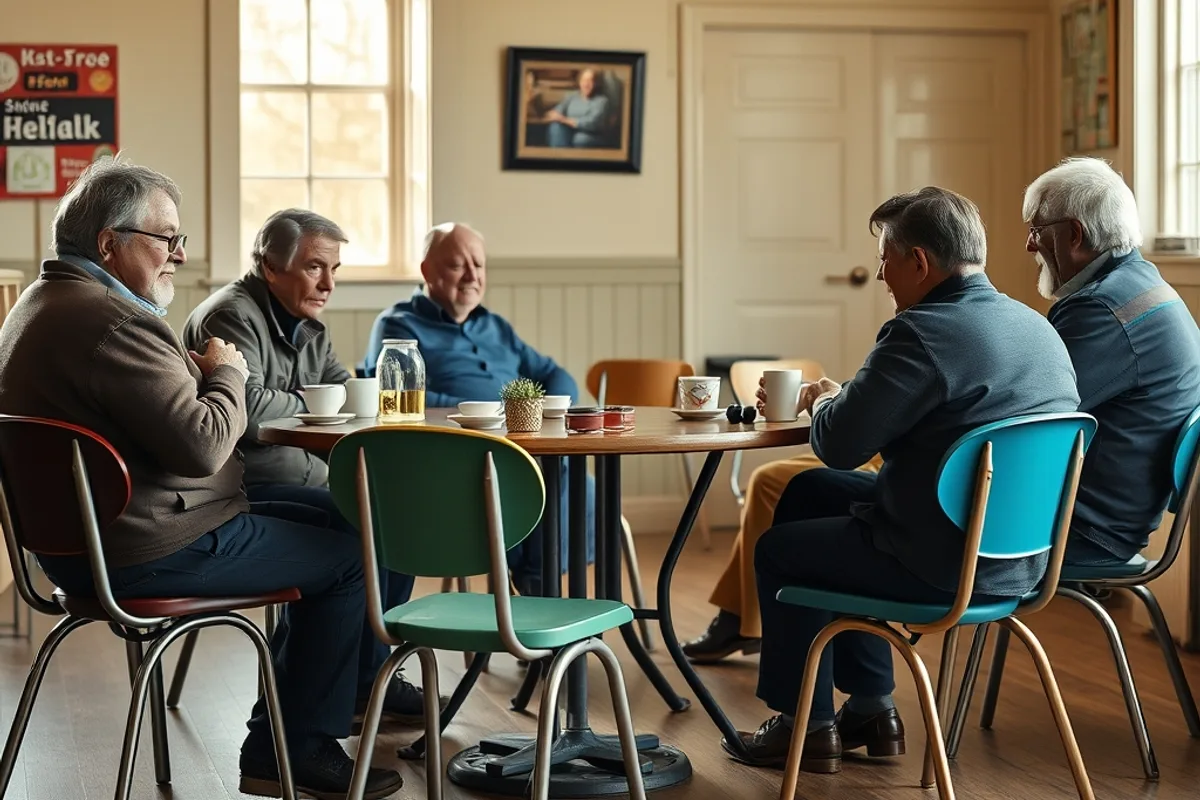
The sociologist Ray Oldenburg called them third places: not home, not work, but the places in between where people meet on roughly equal terms. For a generation, they were cafés, pubs, barbers, bowling alleys and the queues outside them.
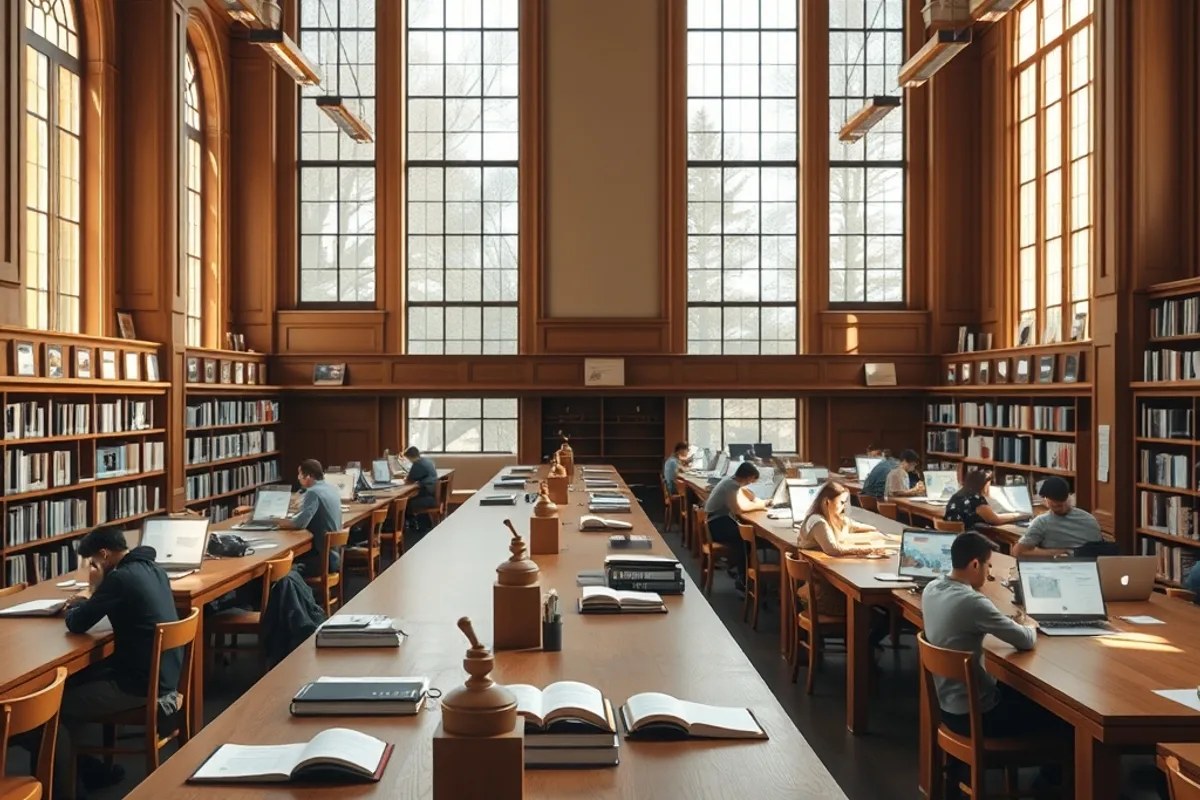
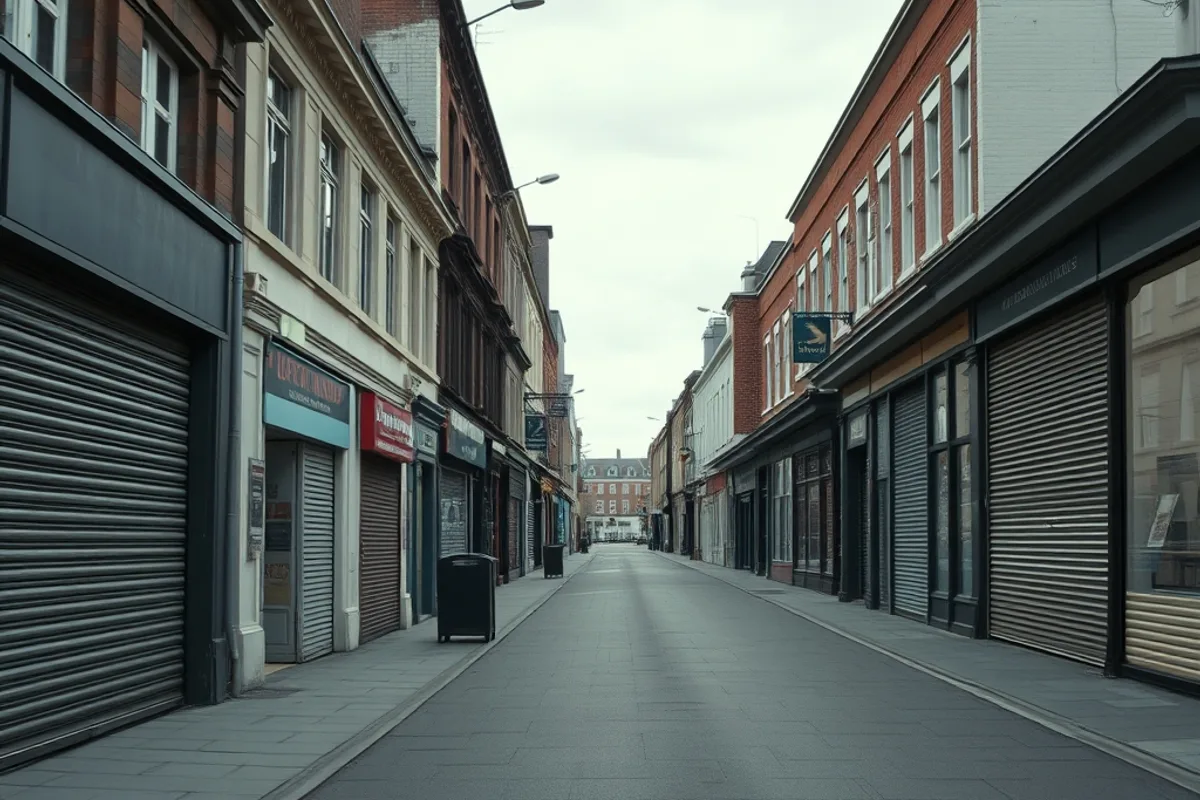
Then the high street thinned out, the office went hybrid, and the pub became a delivery option. What replaced them, slowly and without much fanfare, is a patchwork of public and semi-public rooms: libraries, pools, community halls, allotments, church basements and the more ambitious end of the co-working market.
Key facts
- Library visits have risen for three consecutive years in several countries.
- Municipal pool attendance is above pre-2020 levels in many mid-sized cities.
- Volunteer-run community groups report membership growth, especially among people aged 25 to 40.
- Commercial cafés remain popular, but average visit length has fallen.
- Local councils spend less on community facilities in real terms than a decade ago.
- Loneliness among young adults remains above the pre-pandemic baseline.
What counts as a third place now
The definition has stretched. A third place needs low barriers to entry, a regular crowd and a reason to stay without spending much. By that test, a library is closer to the ideal than a members' club, and a municipal pool is closer than a boutique gym.
The common thread is not architecture. It is permission: the feeling that you can be there without a purpose, and that nobody will ask you to leave.
Why now
Three things changed at once. Remote work loosened the daily commute, removing the incidental social contact that offices provided. The cost-of-living squeeze made paid leisure less accessible. And local governments, despite budget pressure, discovered that libraries and pools are among the cheapest ways to deliver visible community benefit.
There is also a generational shift. Younger adults report high levels of loneliness and low levels of trust in institutions, but they are also more willing to join small, purpose-specific groups than broad membership organisations.
"A third place does not need a business model. It needs a door that stays open and a reason to come back."Community librarian, mid-sized city
The library model
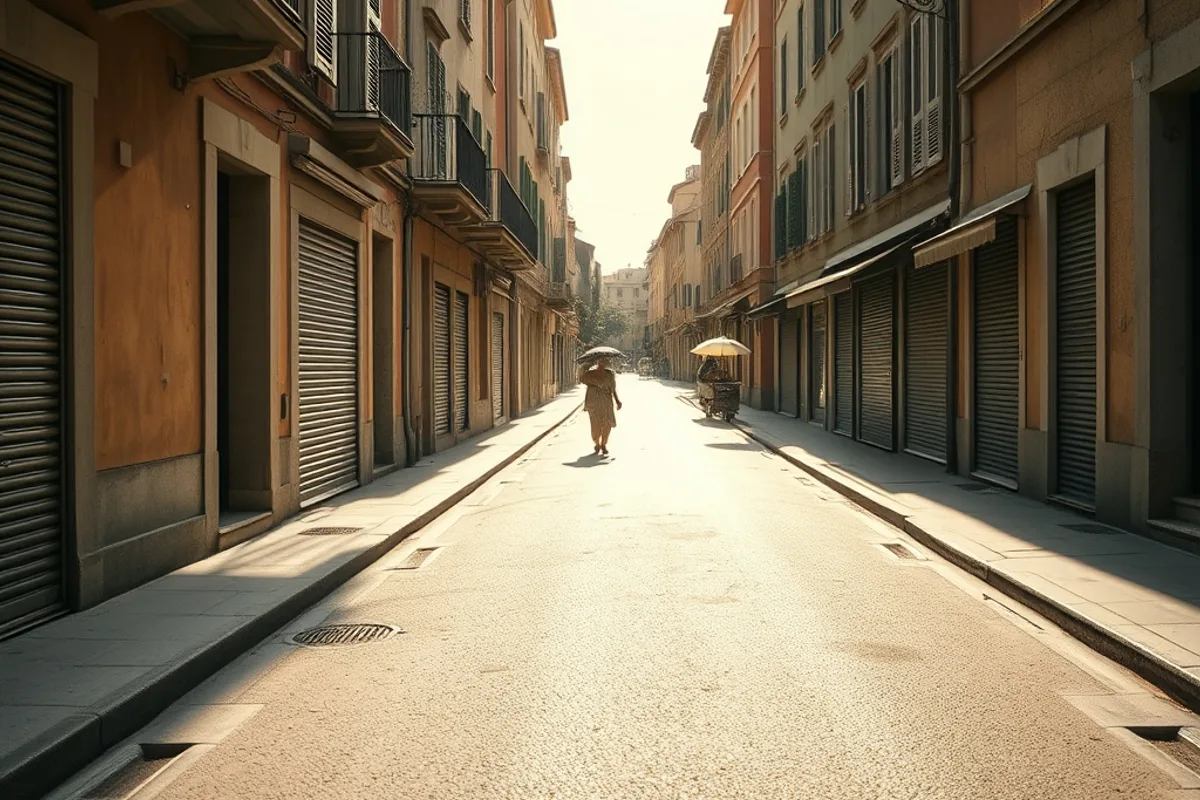
Libraries have adapted faster than most public institutions. The best ones now lend tools, host job clinics, provide quiet rooms for remote work and run evening classes. They have also become de facto warming and cooling centres during extreme weather, a role that became explicit during the late-season heat this month.
The model works because it is cheap at the margin. A library already has space, staff and heating. Adding a chess club or a repair café costs little and draws people who would not otherwise come through the door.

The fragility underneath
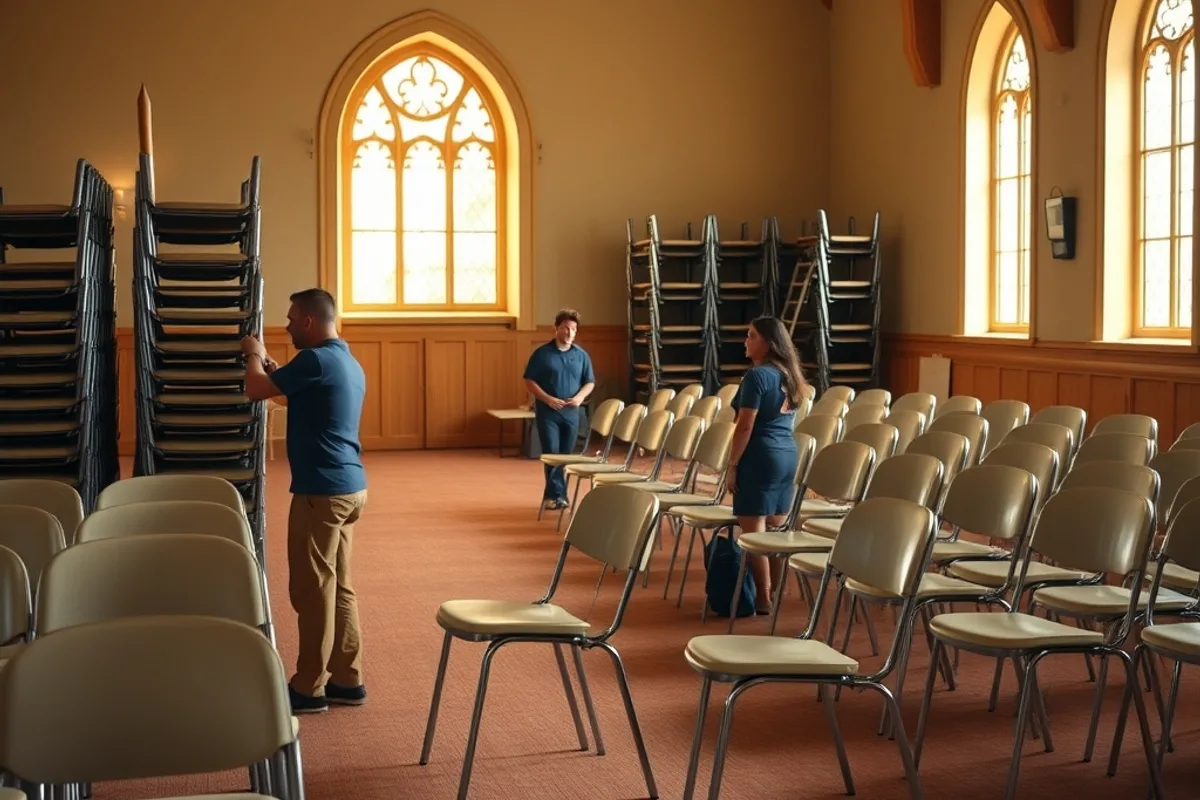
The revival is real, but it is not secure. Council budgets are stretched. Volunteer labour holds many community halls together, and volunteering is unevenly distributed. The places that need a third place most are often the ones with the fewest volunteers and the weakest tax base.
Commercial venues face a different problem. Cafés that once tolerated a laptop and a single coffee now rely on turnover, and remote workers have become a cost rather than a draw. Some have responded with time limits; others have leaned into membership.
Design matters more than branding
The most successful spaces share a few design choices. They are visible from the street. They have windows. They offer different zones: quiet, social, and something in between. They are open at the times people actually need them, including evenings and weekends.
The least successful share the opposite. They are hidden, poorly lit, and require a reason to enter. A community centre behind a locked door is not a third place, however good its programme.
What councils can do
Municipalities have three levers. They can keep facilities open when demand is highest, rather than when staffing is easiest. They can fund the unglamorous things: heating, insurance, accessible toilets. And they can treat libraries and pools as social infrastructure, not as discretionary services to be cut first.
Some are already doing it. A handful of cities have extended library hours into the evening and opened school halls for community use after hours. The results are modest but measurable: more visits, more repeat visitors, and a wider mix of ages.
The Project for Public Spaces has documented similar patterns in its work on public space and community life. The lesson is consistent: people use what is easy to reach and comfortable to stay in.
The political edge
Third places have become an election issue, quietly. Mayors who can point to a busy library or a reopened pool have a tangible answer to the question of what local government is for. Those who cannot are left defending bin collections and council tax.
That is one reason the local contests this autumn are harder to read than usual. The national mood is sour, but the local evidence is mixed, and the places where people actually meet are part of the evidence.
Oldenburg's insight was not that third places are charming. It was that they are where a society learns to be a society. The current revival suggests that when the market stops providing them, people will build them somewhere else, if they are given a room.