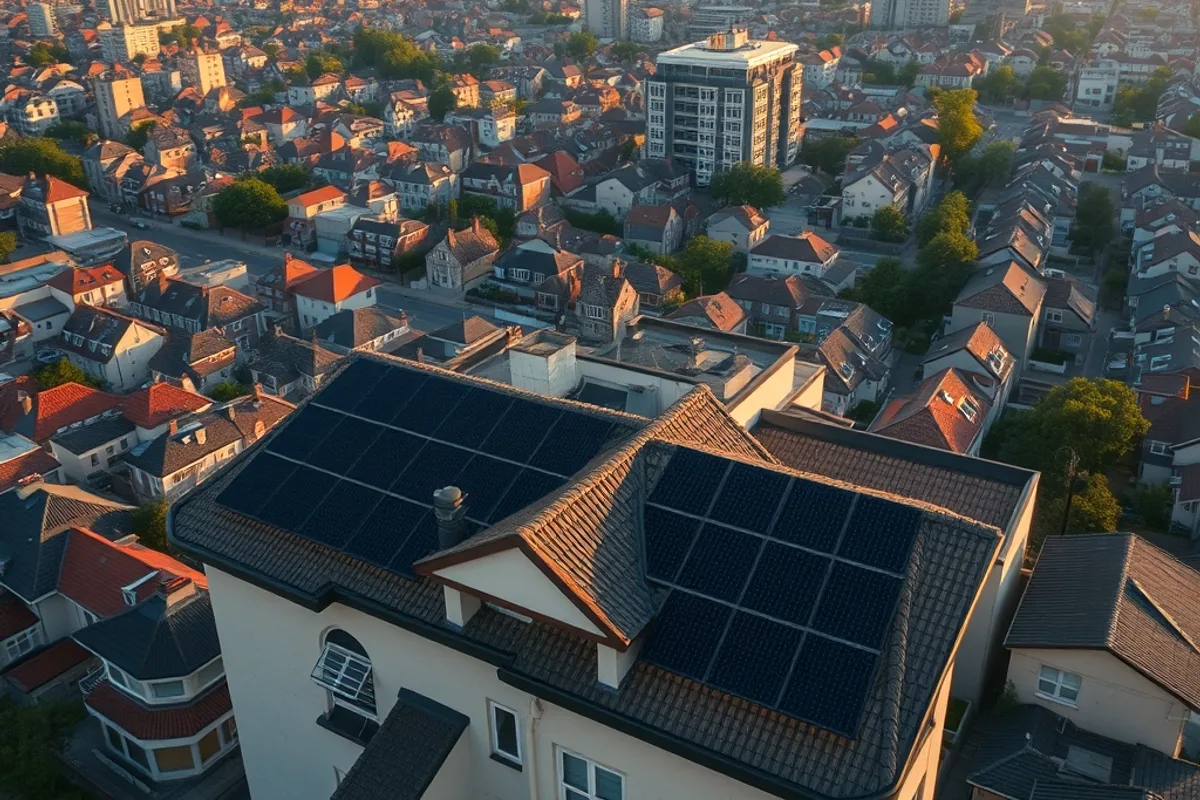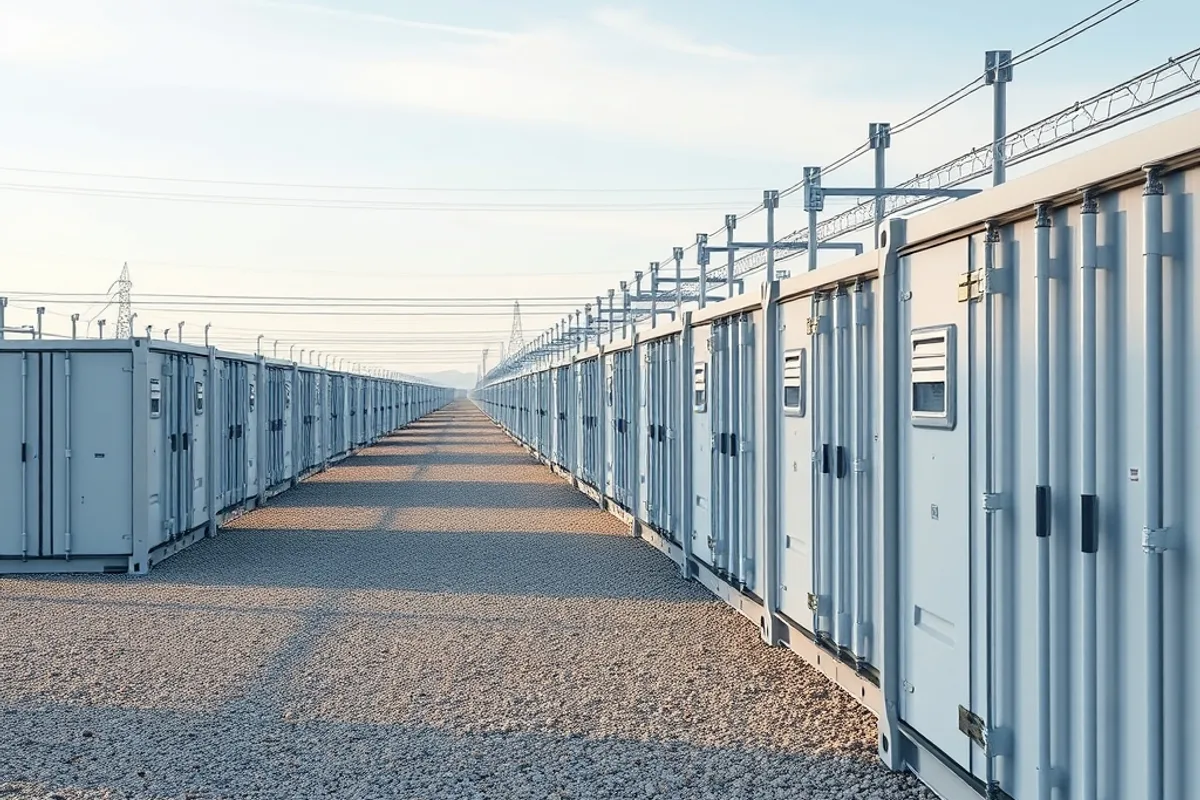
The cost of grid-scale battery storage has fallen faster than most forecasts expected. In several wholesale markets, a four-hour battery can now undercut a gas peaking plant for evening demand. That is a threshold, not a trend, and it changes the economics of the power system.
It does not, however, solve the problem that matters most for developers. Building a battery is now relatively cheap. Connecting it is not.
Key facts
- Installed grid-scale storage capacity has roughly tripled in three years.
- Four-hour systems now bid below gas peakers in several evening markets.
- Average connection queues in some regions exceed four years.
- Cell prices have fallen while balance-of-system costs have fallen more slowly.
- Frequency response is now a larger revenue source than energy arbitrage for many projects.
- Fire safety standards remain inconsistent between jurisdictions.
Why costs fell
Three forces did most of the work. Manufacturing scale lowered cell costs. Competition among system integrators compressed margins. And software improved, allowing operators to squeeze more revenue from the same hardware by stacking services.
The result is that a battery project's economics now depend less on the battery and more on the market rules that determine what it can be paid for.
The connection queue is the bottleneck
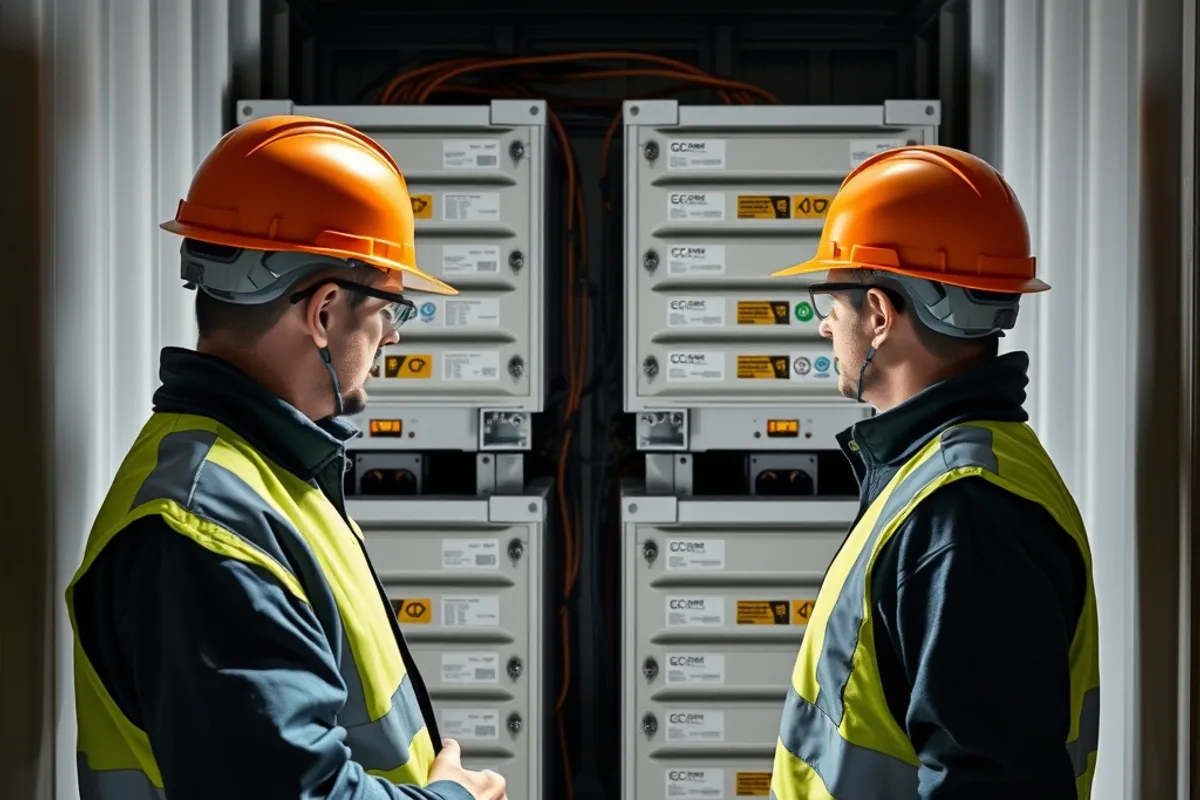
Grid operators are overwhelmed. Applications for new connections, from storage, solar, wind and data centres, have outgrown the capacity of the planning and engineering teams that process them. In some regions, developers are offered connection dates in the 2030s.
Several operators have responded with queue reform: stricter deposits, milestone requirements and a "use it or lose it" rule for projects that fail to progress. The reforms are necessary, but they also favour developers with capital and patience over smaller entrants.
"The battery is no longer the hard part. The hard part is finding a wire with room on it."Storage developer, speaking to keithcornick
The revenue stack is changing
Early battery projects earned most of their money from frequency response, a service that pays for fast adjustments to keep the grid stable. As more batteries entered the market, those prices fell. Developers responded by stacking services: frequency response in the morning, energy arbitrage in the evening, capacity payments overnight.
That complexity favours larger operators with sophisticated trading desks. Smaller projects increasingly rely on aggregators to bid on their behalf.
Safety rules are catching up
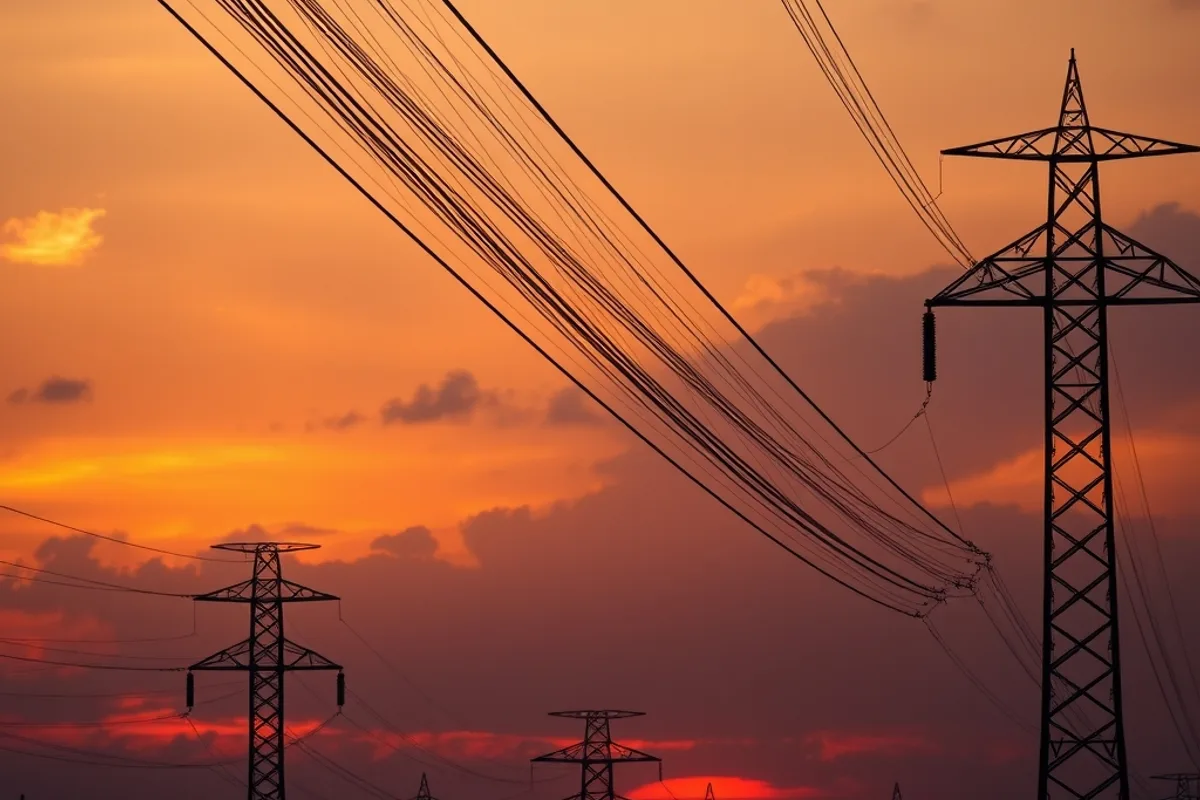
Battery fires are rare but consequential. Several jurisdictions have tightened separation distances, fire suppression requirements and emergency planning rules after incidents at storage sites. The standards are not yet harmonised, which makes modular deployment harder than it needs to be.
Insurers have become stricter too. Projects without documented thermal management and independent testing now pay materially higher premiums, a cost that can erode the advantage of cheap cells.

The value to the grid
Storage does more than shift energy from noon to evening. It can defer transmission upgrades, provide inertia-like services, and reduce the need to keep fossil plants idling for reserve. Those benefits are real but hard to monetise under current market designs.
The International Energy Agency's work on battery storage and grid flexibility argues that markets need to pay for these services explicitly, rather than relying on energy arbitrage alone.
The supply chain behind the cells
Cheap cells are not the same as cheap projects. A four-hour system also needs inverters, transformers, fire suppression, cooling and a connection to the substation. Those components have longer lead times and fewer suppliers than the cells themselves.
Developers report that transformer deliveries now stretch to eighteen months in some regions, and that high-voltage switchgear is similarly constrained. The result is a project that can be financed in weeks and then sit idle waiting for equipment. Balance-of-system costs have fallen, but not as fast as cell prices, which is why the headline cost curve overstates the real decline.
None of this changes the direction of travel. It does explain why storage deployment varies so much between markets with similar wholesale prices. The difference is often not policy ambition but the ability to secure a transformer and a grid connection in the same calendar year.
What comes next
Two developments will shape the next phase. First, connection reform: if queues shorten, deployment accelerates. Second, long-duration storage: most new projects are still four-hour systems, but the grid will eventually need storage that can cover days, not hours.
Long-duration technologies remain expensive, and the winner is not yet clear. For now, the four-hour battery is the workhorse, and its cost curve is the reason the grid is changing faster than many expected. That shift also affects the investment climate, as utilities and funds reassess where capital goes.