In ordinary years, local elections are about bins, buses and the state of the high street. This year they are about something harder to measure: whether a competent mayor can survive a period in which almost nothing got cheaper.
Across a dozen mid-sized cities, incumbent administrations are defending records that look strong on paper. Recycling rates are up, bus punctuality has improved, and most councils have cleared the planning backlog that built up during the pandemic. Yet the same councils have raised fees, delayed repairs and watched housing waiting lists grow.
Key facts
- Local elections take place in 14 cities and 62 municipal districts next month.
- Average council tax and fees have risen 19% over four years.
- Housing waiting lists are up 27% since 2022.
- Turnout is expected to rise, with under-35 registration up 8 points.
- Three incumbent mayors are not seeking re-election.
- No single national issue dominates; housing leads in every survey.
The competence trap
"We did the boring things right," said the mayor of a port city at a campaign event last week. "We fixed the buses. We fixed the accounts. And people still feel worse off, because the things that got expensive were not ours to control."
That is the competence trap. Voters reward mayors for services they can see, but punish them for costs they experience daily. Energy bills, rents and grocery prices sit on the same ballot even though none of them is set at city hall.

Housing dominates
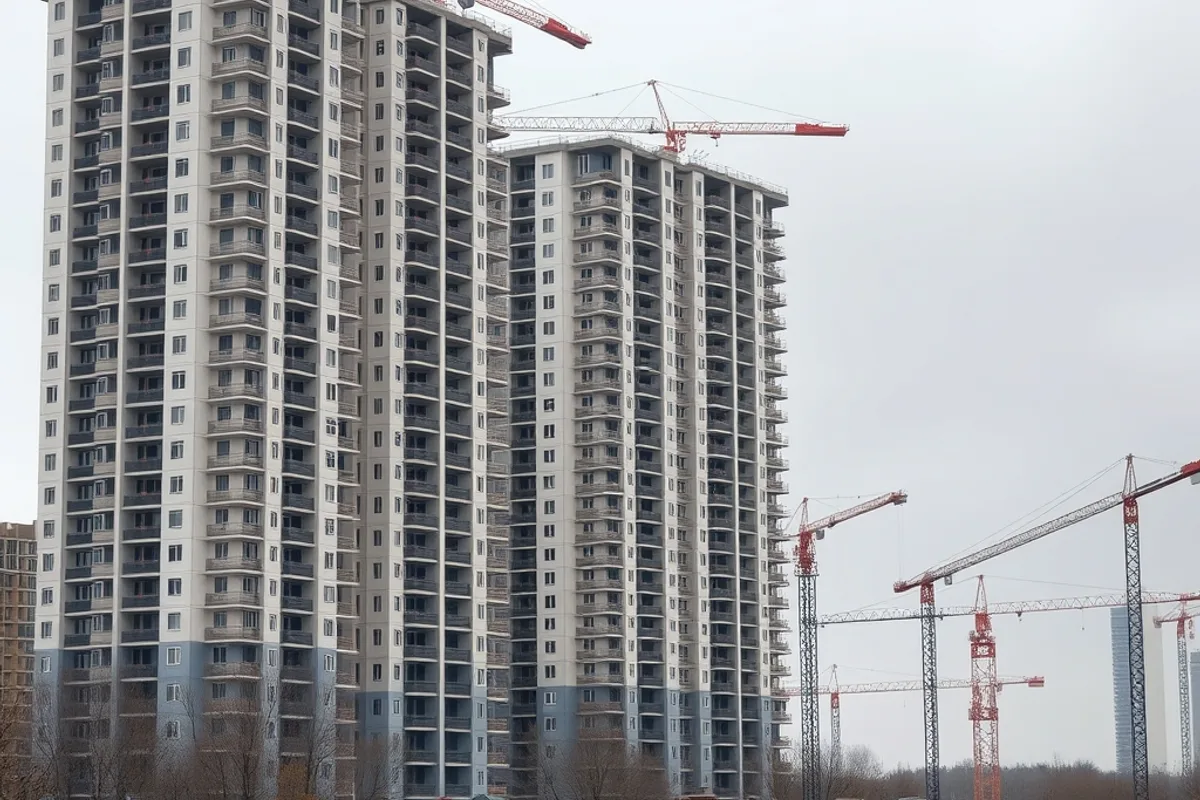
Housing is the exception. It is local, visible, and increasingly the first issue named in surveys. Permits have risen, but completions have not kept pace. In three cities, the gap between approved and completed units has widened since 2023, partly because construction costs rose faster than subsidy rates.
Challengers have seized on the gap. Several have promised to release public land for modular housing within eighteen months, a timeline that planning lawyers describe as optimistic but not impossible.
"People do not vote for a bus timetable. They vote for whether their children can afford to live in the same city."Municipal policy researcher
The national shadow
Local contests rarely escape national politics entirely, and this year is no different. The collapsed coalition talks in the capital have made "chaos" the favoured word of opposition campaigns, even in races where the national parties have no formal role.
The reverse is also true. A strong local result can give a national party a story to tell. Both of the largest parties have sent senior figures to campaign in the same six swing cities.

What challengers are offering
The challengers are not a united bloc. Some promise lower fees and outsourcing. Others promise higher investment funded by borrowing against municipal assets. A third group, mostly independents, campaigns almost entirely on planning reform.
What they share is a diagnosis: the incumbent's model of incremental improvement has run out of room. Whether they share a workable alternative is less clear. In two cities, the opposition has declined to publish a costed budget before polling day.
That gap matters because local government is where promises meet procurement. A pledge to build faster runs into planning law, construction costs and the availability of contractors. A pledge to cut fees runs into the cost of the services those fees fund. Voters may not read the costed budget, but they notice when the bins are collected and the buses run on time.
The turnout question
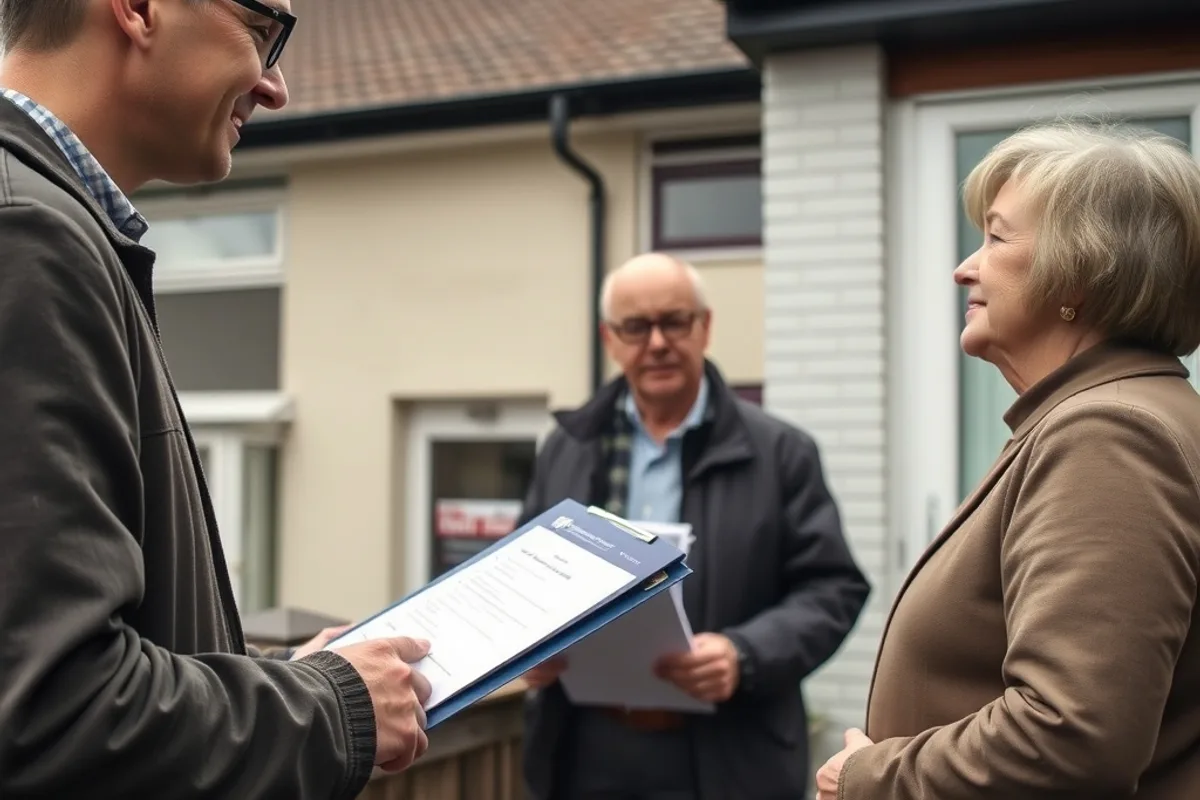
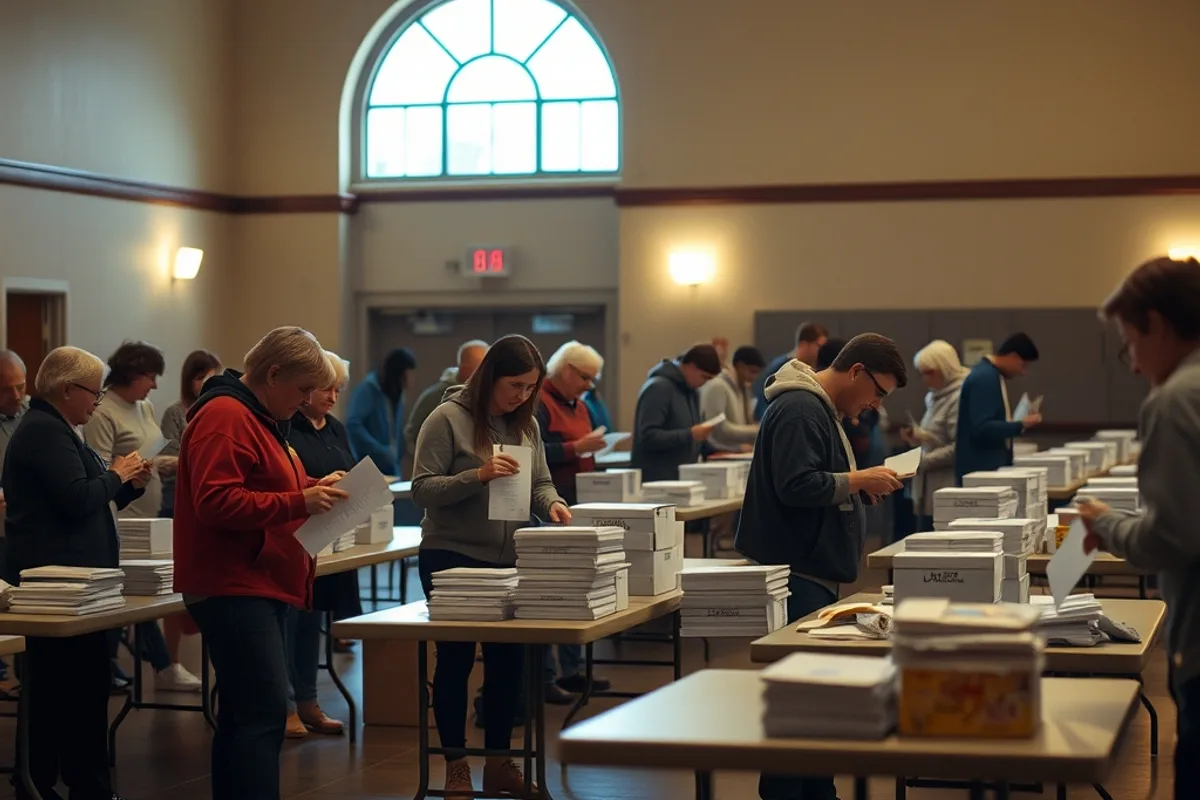
Local elections usually favour older, home-owning voters. This year, registration among under-35s is up sharply, and housing groups have run registration drives in rented neighbourhoods. If those voters turn out, the arithmetic changes in cities where the incumbent majority is thin.
It is a big if. Registration is not turnout, and local races still struggle to compete for attention. The International Institute for Democracy and Electoral Assistance has found that local turnout is most sensitive to perceived closeness, not to the volume of campaign spending.
What to watch on the night
Three things will matter more than the headline result. First, whether incumbents hold the cities where completions rose fastest. Second, whether independent candidates split the opposition vote. Third, whether turnout in rented districts closes the gap with owner-occupied areas.
The answers will shape more than the next four years of local government. They will also tell national parties whether competence still sells, or whether the cost-of-living years have broken the link. That question is already shaping the budget fight in the capital, and it will not be settled by one set of results.