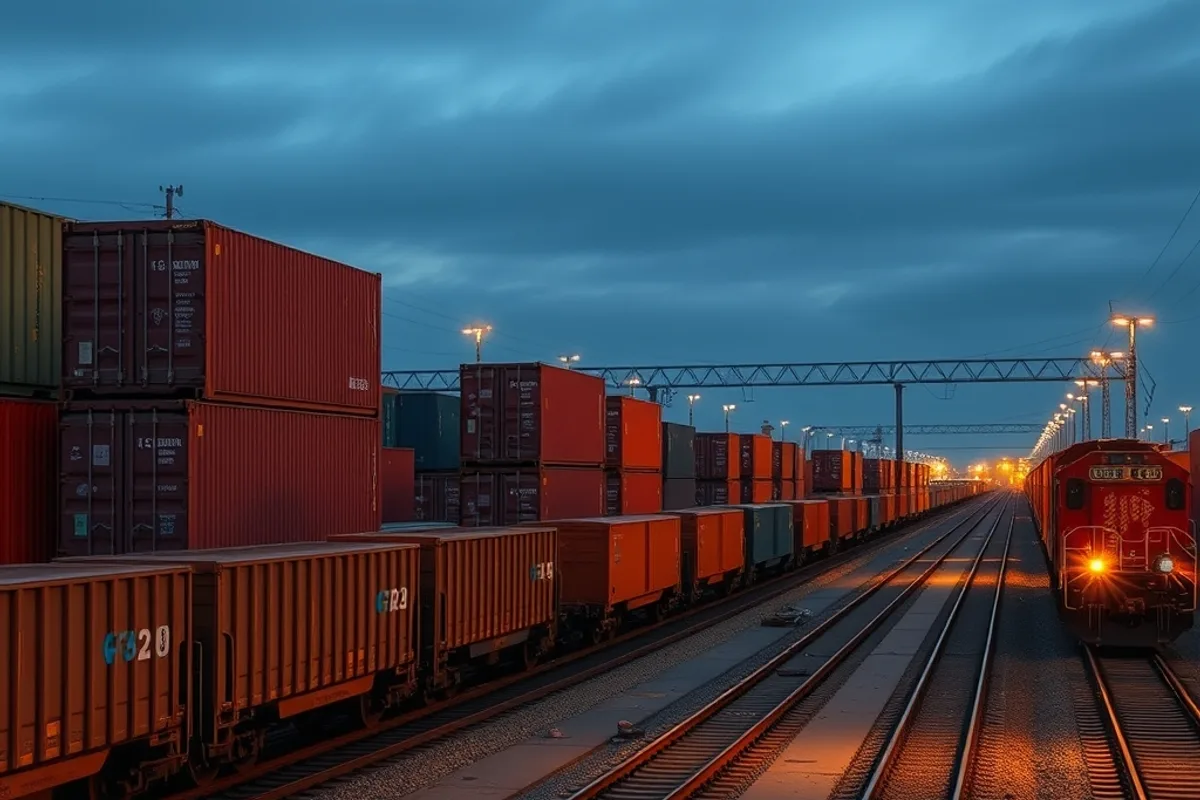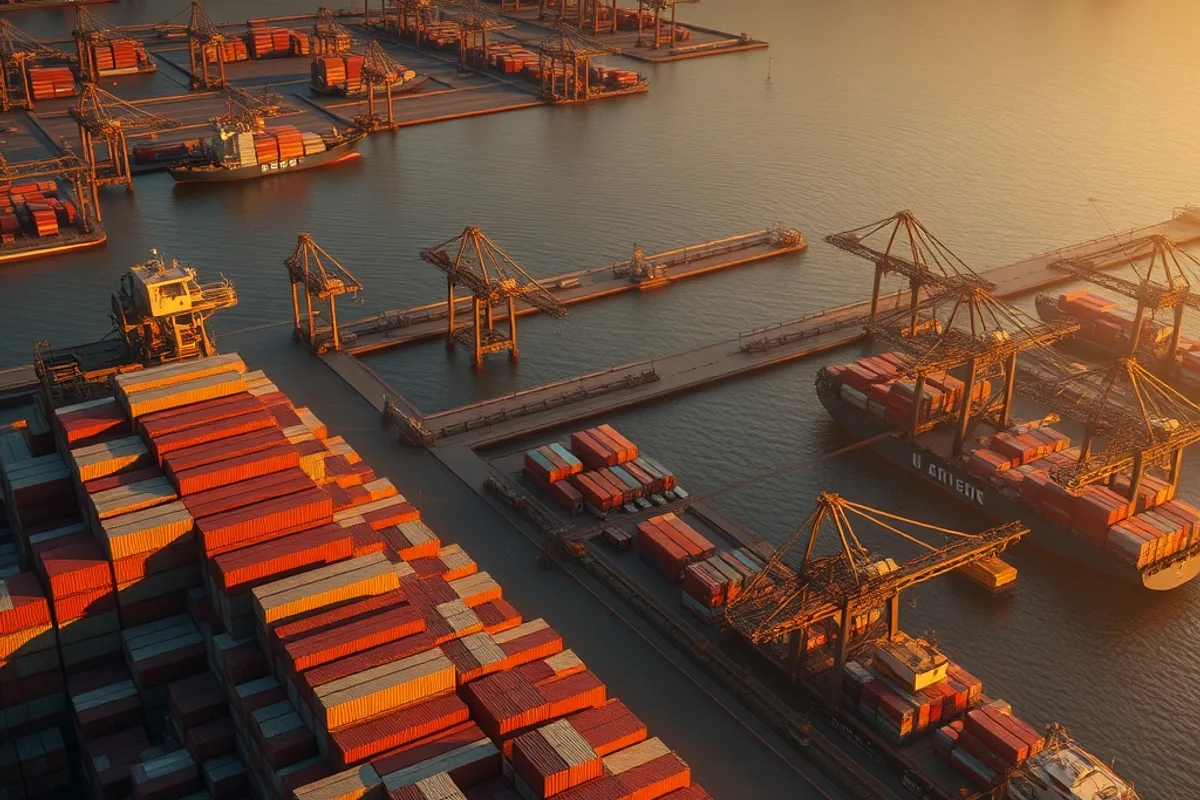
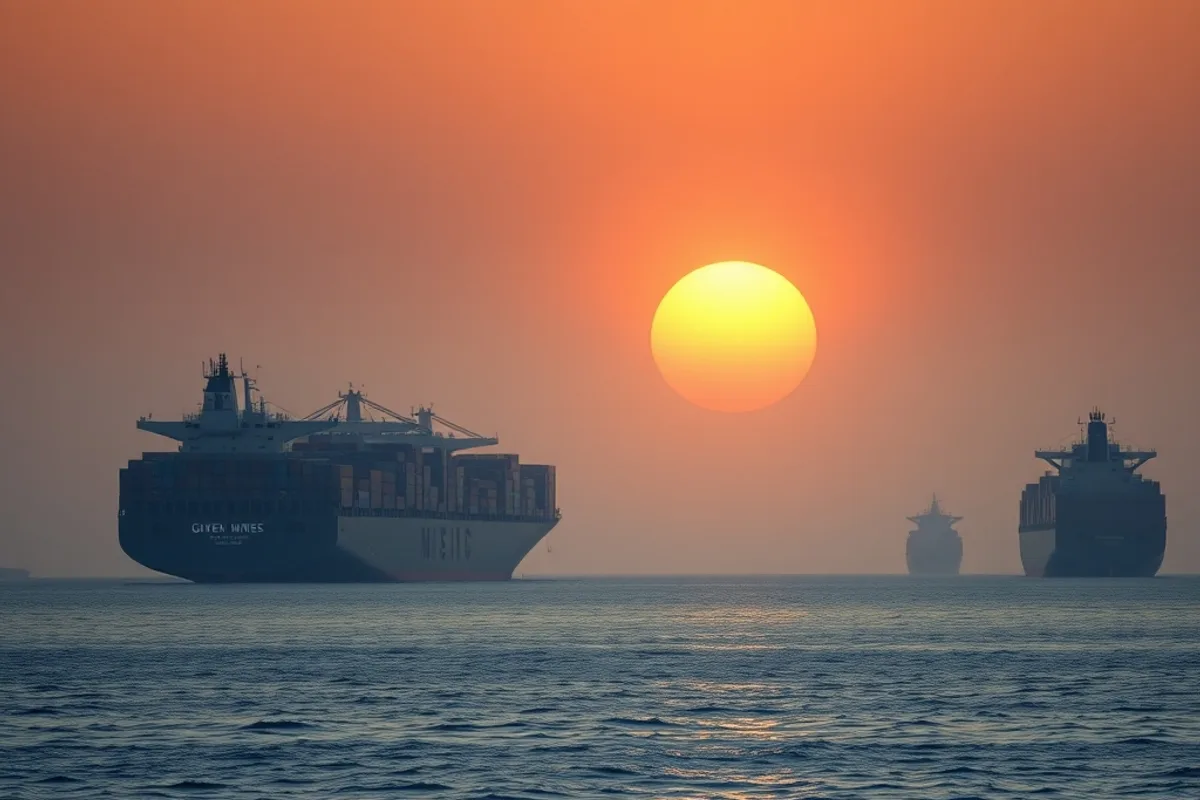
The queue outside one of Europe's largest container gateways grew to 31 ships this weekend, according to the port's own vessel schedule. Two berths remain closed for inspection, a third is running at roughly half its normal crane rate, and hauliers report turn times that have doubled since the first week of October.
That alone would be a manageable disruption. What worries freight forwarders is the timing. The closure lands in the middle of the pre-holiday booking window, when retailers normally hold a two-to-three-week cushion of stock. After three years of lean inventories, that cushion is closer to nine days.
"We are not short of ships," said a operations director at a Rotterdam-based forwarder, who asked not to be named because his company is negotiating compensation with carriers. "We are short of slack. Every delay now travels straight into a store shelf."
Key facts
- Three major container gateways are operating below normal capacity, two because of inspection closures and one because of a labour dispute.
- Average berth waiting time has risen from 1.8 days to 6.4 days in three weeks, according to carrier schedules reviewed by keithcornick.
- Spot rates on Asia–North Europe routes are up roughly 38% since mid-September.
- Retailers say inventory buffers are at their thinnest since 2021.
- Air freight is absorbing a small share of urgent cargo at three to four times the cost.
- No government has yet invoked emergency transport powers.
What is actually closed
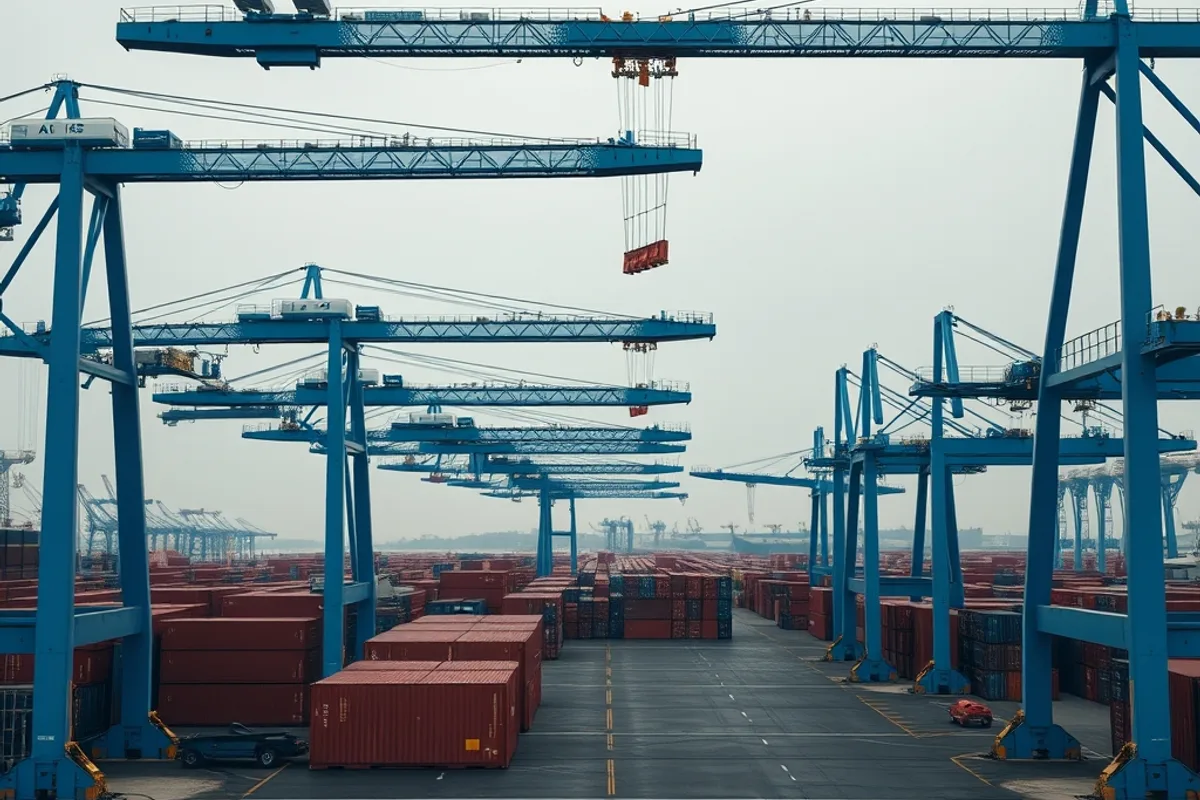
The picture is messier than the headlines suggest. Nominal berth capacity at the three gateways is barely changed. Effective capacity is a different number. At the first port, two berths are closed while inspectors examine quay cranes after a structural warning. At the second, a dispute over shift patterns has reduced the number of gangs available for night work. At the third, dredging equipment is occupying a channel that normally handles the largest vessels.
Those three problems compound. A ship that cannot berth on schedule misses its next window. The delay propagates through a rotation that may include eight or nine ports, and the knock-on effect outlasts the original repair by weeks.
Why this time feels different
Supply chains have absorbed worse shocks since 2020. The difference now is financial rather than physical. Carriers entered the quarter with disciplined capacity, low order books for new ships, and little appetite for the blank sailings that once kept rates steady. When a gateway slows, they have fewer spare vessels to reroute.
Shippers, meanwhile, have spent three years cutting warehouse space. Just-in-time has quietly returned under a new name, and the result is that a six-day delay at a port becomes a three-day gap on a shelf.
"We are not short of ships. We are short of slack. Every delay now travels straight into a store shelf."Operations director, European freight forwarder
The cost that shows up first
Freight rates are the visible price. The less visible one is the surcharge. Carriers have reintroduced peak-season fees on several Asia–Europe strings, and forwarders expect demurrage and detention charges to climb as containers sit outside terminals waiting for a slot.
For importers, the arithmetic is unforgiving. A 40-foot container that costs $2,400 to move can generate $150 a day in detention after the free window expires. Hold it for a week and the penalty approaches half the freight bill. Small importers feel that first because they have less room to negotiate free time.
The macro effect is small but real. Analysts at two European banks expect the disruption to add between 0.1 and 0.2 percentage points to goods inflation in the fourth quarter if it lasts into November. That is not a crisis. It is enough to complicate the rate picture covered in our report on central banks holding rates as growth cools.
Retailers are pulling orders forward
The first corporate response is not cancellation but acceleration. Several mid-sized retailers have moved holiday replenishment orders forward by two to three weeks, accepting higher storage costs to avoid empty shelves in December. Warehouse operators in the Netherlands and northern Germany report booking requests up by a fifth compared with September.
That response has a cost of its own. Pulling orders forward reduces flexibility later in the quarter. If demand disappoints, the same companies will be sitting on stock they cannot return, which is precisely the trap that smaller firms borrowing against inventory are trying to avoid.
Air freight offers an escape valve for high-value goods, but not for volume. The capacity simply is not there, and rates on urgent lanes have already tripled on some routes.
What to watch in the next ten days
Three indicators will decide whether this remains a nuisance or becomes a genuine fourth-quarter problem.
- Berth waiting time. If the average falls below four days by the first week of November, the backlog is being cleared faster than new arrivals.
- Blank sailings. Carriers cancelling advertised departures would signal that they expect demand to weaken, not that capacity is tight.
- Retail inventories. The next set of earnings calls will show whether the pull-forward is widespread or confined to a handful of large importers.
The inspection closures are expected to lift within two weeks. The labour dispute is the wild card. Previous disputes at the same gateway lasted between four and nineteen days, and each one produced a different pattern of recovery.

The longer question
Policymakers have spent five years talking about resilience. The current disruption suggests the lesson has been learned unevenly. Ports have invested in automation and inland rail links. Shippers have invested in visibility software. Almost nobody has invested in inventory.
The United Nations Conference on Trade and Development has repeatedly warned that maritime resilience depends as much on commercial buffering as on physical infrastructure. Its Review of Maritime Transport makes the same point each year: capacity is only useful if there is somewhere for the cargo to go when a node fails.
For now, the system is bending rather than breaking. The next ten days will tell whether that remains true through the busiest stretch of the year.